 Themes
 Clothing
 Shoes
Shoes
 Bags
Bags
 Children's room
 Travel
 Gifts
Gifts
 School
 Outlet
 Other
Other


The Evolution of Children's Licenses: From Disney to Digital Heroes (2000–2025)
Over the past 25 years, children's licenses – popular characters from films, series, and games – have become a defining force in toys, school supplies, clothing, and gifts. What began with classic Disney characters has grown into a global multi-billion-dollar industry featuring brands like Minecraft, Bluey, and even YouTubers.
Curious how these licenses influence buying behavior and what that means for online shops and gift collections? Check out our related article: The Rise of Pop Culture Merchandising.
This blog takes you through the rise of children’s licenses from 2000 to 2025, showing how consumer behavior among kids and parents has changed over time.
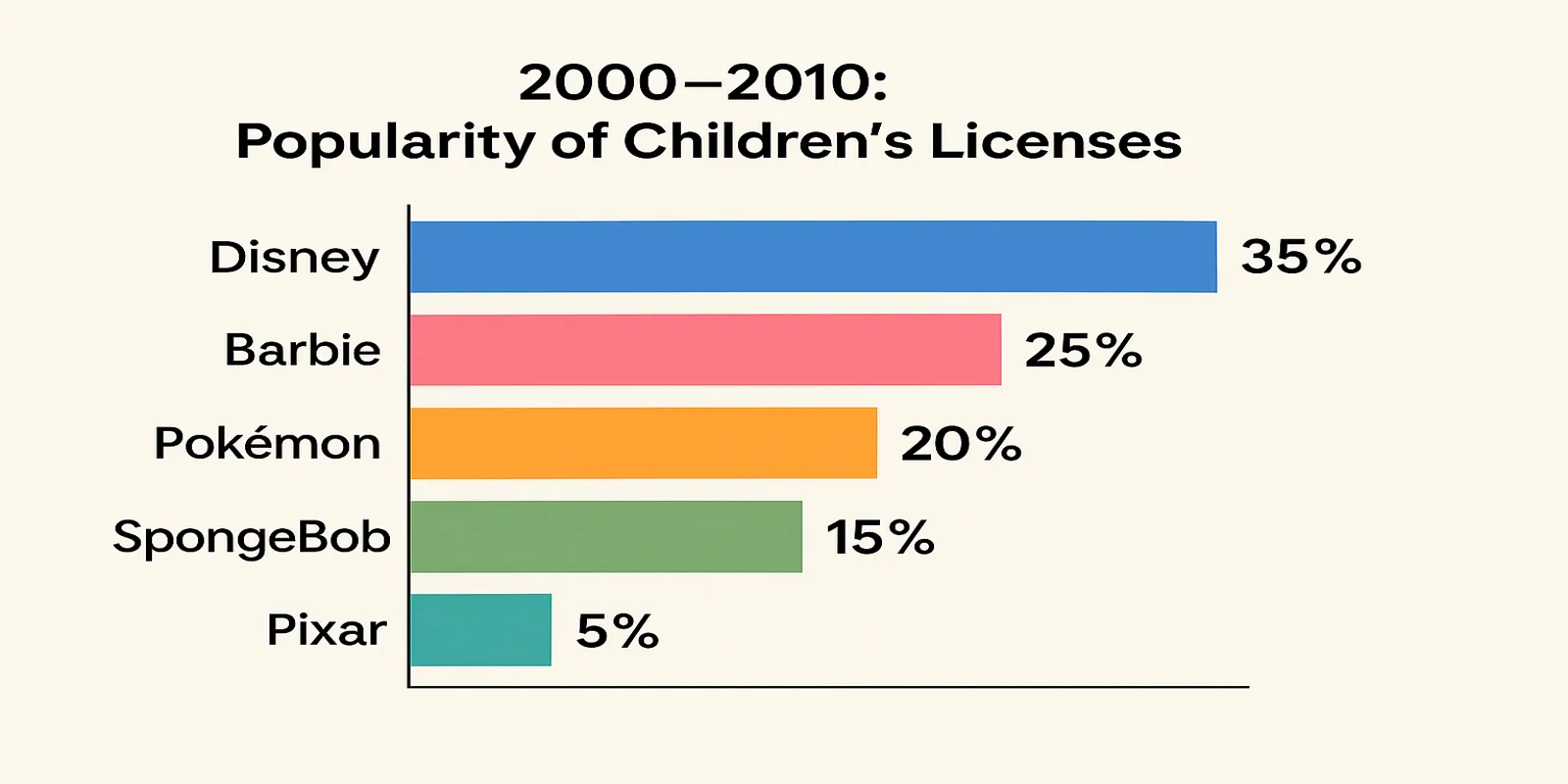
2000–2010: The Classic Licensing Era
- Disney (Mickey Mouse, The Lion King, princesses)
- Barbie and Hot Wheels
- Pokémon – peaking in TV and trading cards
- Pixar films like Toy Story and Cars
This era focused mainly on physical toys and traditional media. Parents made most purchasing decisions, and toy stores were the primary source.
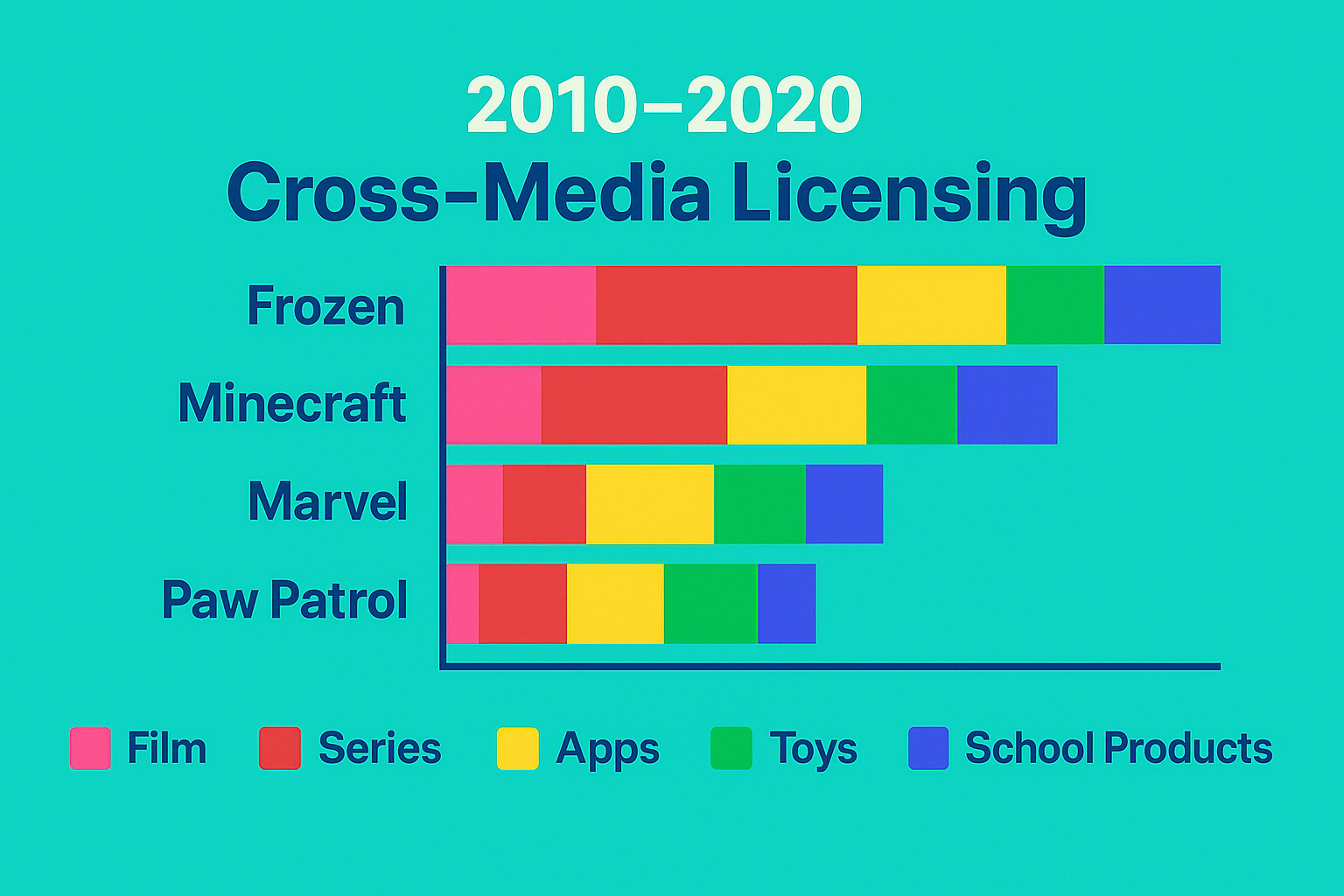
2010–2020: The Rise of Crossmedia and Gaming
- Frozen (Disney’s hit featuring Elsa and Anna)
- Minecraft (from sandbox game to global brand)
- Marvel (superheroes became mainstream for kids)
- Paw Patrol and Peppa Pig (TV shows aimed at young children)
Licenses were now spread across multiple channels – film, TV, apps, toys, and school supplies. Parents increasingly based their choices on their children’s preferences.
2020–2025: Digital Heroes and On-Demand Favorites
- Bluey – an Australian animated series with global success
- Roblox – a gaming platform with user-created franchises
- YouTube icons like Cocomelon, Diana & Roma, and Blippi
- Return of the classics – Pokémon, Mario, and Sonic remain strong through crossplatform visibility
At the same time, sustainability became more important for brands and consumers alike.
Impact on Purchasing Behavior
In the past, parents made the decisions. Today, children play an active role. Thanks to familiarity, emotional connection, and peer influence (what other kids have), preferences are formed early.
For retailers, this means:
- Responding quickly to trends
- Offering themed bundles and sets
- Building seasonal visibility (e.g. Back to School)
According to Kids Insights, 68% of parents say their child picks products themselves—often after seeing them on YouTube or through friends. “Media influence on young children is stronger than ever,” says child psychologist Elise van Meurs. “Repetition, recognition, and belonging are key.”
Figures & Timeline: Most Popular Licenses by Period
| Period | Top Licenses |
|---|---|
| 2000–2005 | Disney, Pokémon, Barbie, SpongeBob |
| 2006–2010 | Cars, Hannah Montana, Dora, Peppa Pig |
| 2011–2015 | Frozen, Peppa Pig, Minecraft, LEGO |
| 2016–2020 | Paw Patrol, Marvel, PJ Masks, Roblox |
| 2021–2025 | Bluey, Cocomelon, Mario, Sonic |
Sources: Statista, Google Trends, Kids Insights, Merchandise4All data
Why This Evolution Matters
The shift from passive media consumption to active engagement calls for a new approach to merchandising, gifting, and marketing. Retailers and content creators who understand these shifts can adapt accordingly – in both product offerings and storytelling.
What You Can Do With This Information
This blog can serve as a source for:
- Articles about kids’ marketing
- Educational projects
- E-commerce strategies
- Blogs on toys, parenting, and retail
Feel free to quote or link to this article. Please reference this page as the original source.
How Professionals Can Use This
Whether you're in e-commerce, content marketing, or education, these insights can help you:
- Create content calendars based on licensing trends
- Select product themes that resonate with kids
- Plan influencer collaborations
- Develop educational content on media awareness
Sharable Visual Available
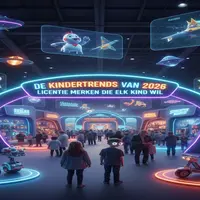
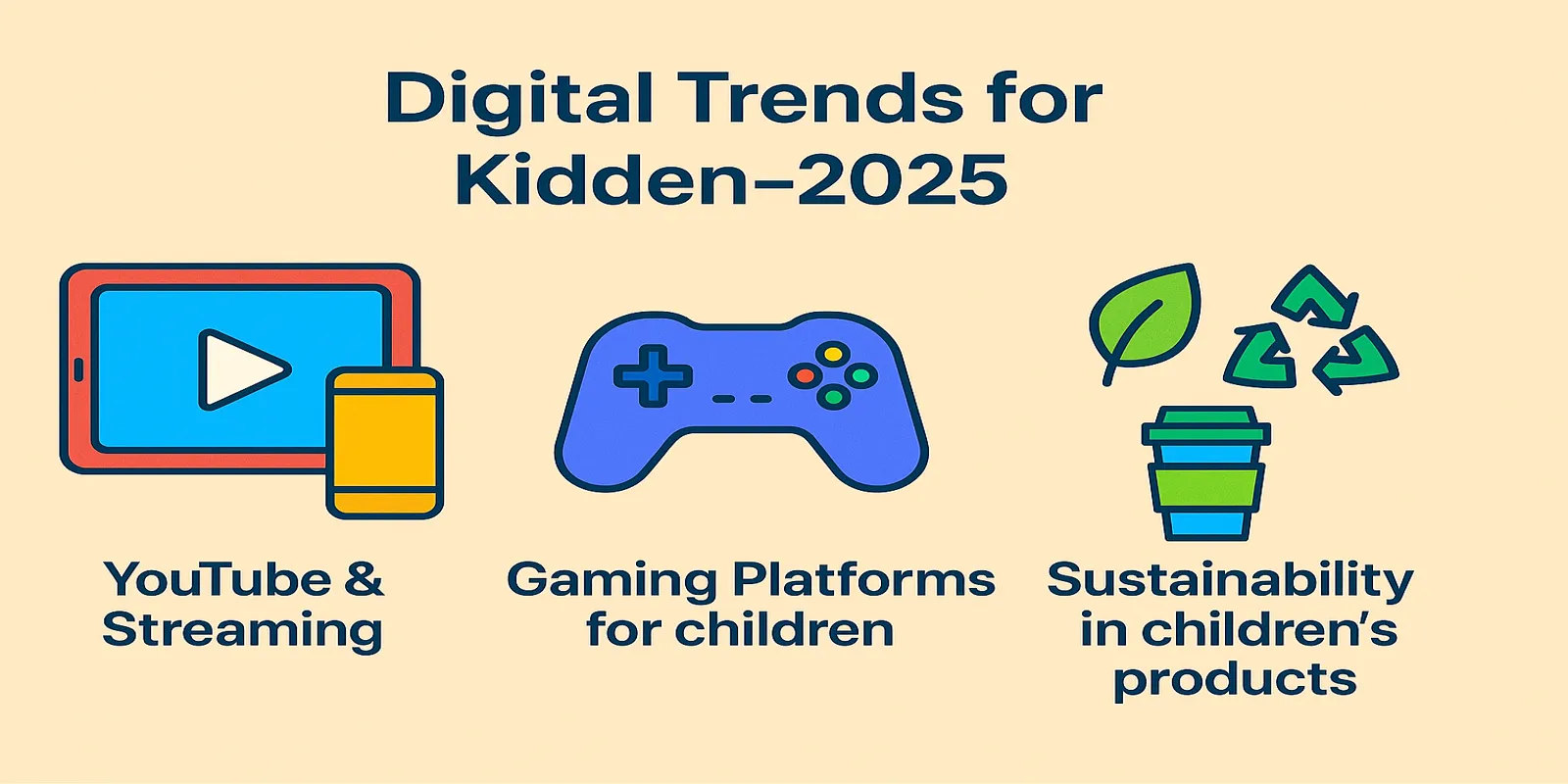
Want to use this information visually? Check out the infographic above – ideal for backlinks, classroom use, or presentations. Interested in using it on your platform? Feel free to get in touch!